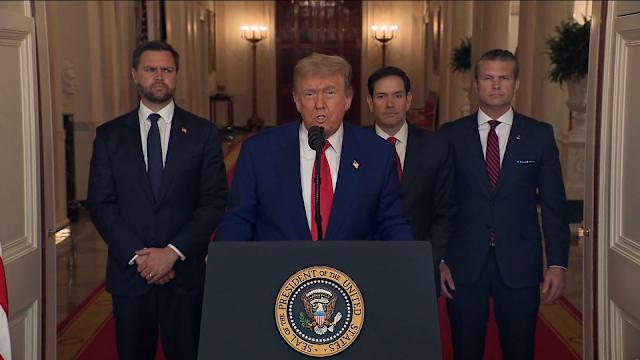
In a dramatic 53–47 vote largely along party lines, the Senate rejected a Democratic-led resolution aimed at requiring congressional approval before President Trump takes further military action against Iran, reigniting historic debates over the balance of presidential and congressional authority under the War Powers Resolution.
Australia has publicly endorsed the U.S. airstrikes on Iranian nuclear sites, citing security concerns over uranium enrichment. While affirming its non-military role, the government emphasized diplomacy, announced evacuation plans for citizens in the Middle East, and acknowledged economic fallout.
The Sensex rebounded slightly after plunging over 1,000 points earlier in the day due to geopolitical tensions following U.S. airstrikes on Iran, but it still closed down by more than 600 points. Investor sentiment remained cautious amid fears of rising oil prices, regional instability, and global market volatility
Australia's Greens Party is pressing the Labor government to confirm whether the secretive Pine Gap facility was used to assist U.S. military strikes on Iran’s nuclear sites. The demand highlights growing political tension over national security transparency and foreign military collaboration.
Former President Donald Trump's decision to authorize U.S. airstrikes on Iranian nuclear facilities has triggered a sharp spike in oil prices, sending shockwaves through global markets. Analysts warn the move could lead to sustained energy inflation and a new kind of oil-driven economic risk.
California Bar Introduces Privacy Law Specialization to Meet Digital Era Demands
June 22, 2025

Collagen Supplements Boom: Do They Really Improve Skin and Hair Health?
March 15, 2025
Twitter Rolls Out New Feature Allowing Users to Tip Influencers Directly
April 08, 2025



.webp)