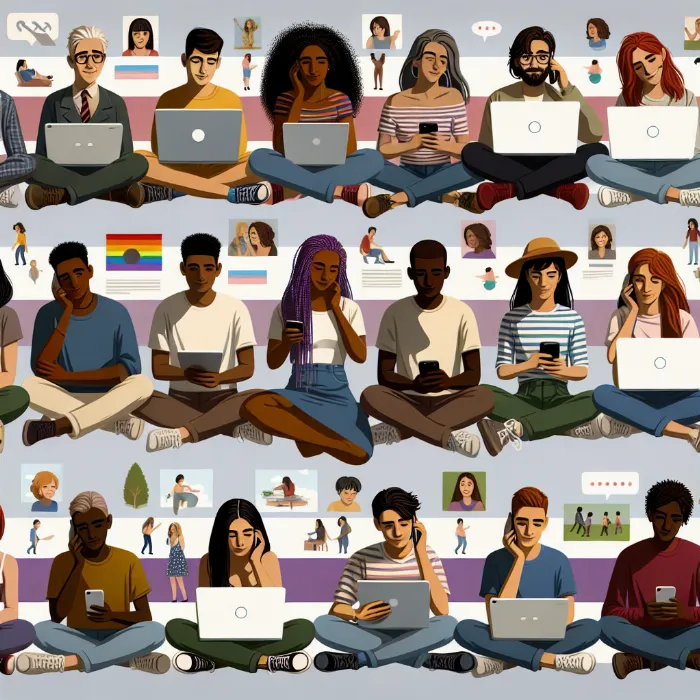
As political and social pressures mount in some regions, online communities increasingly provide transgender youth with peer support, information and crisis resources. Experts say virtual connection can reduce isolation and improve wellbeing, but also carries risks that require careful moderation and access to professional care.
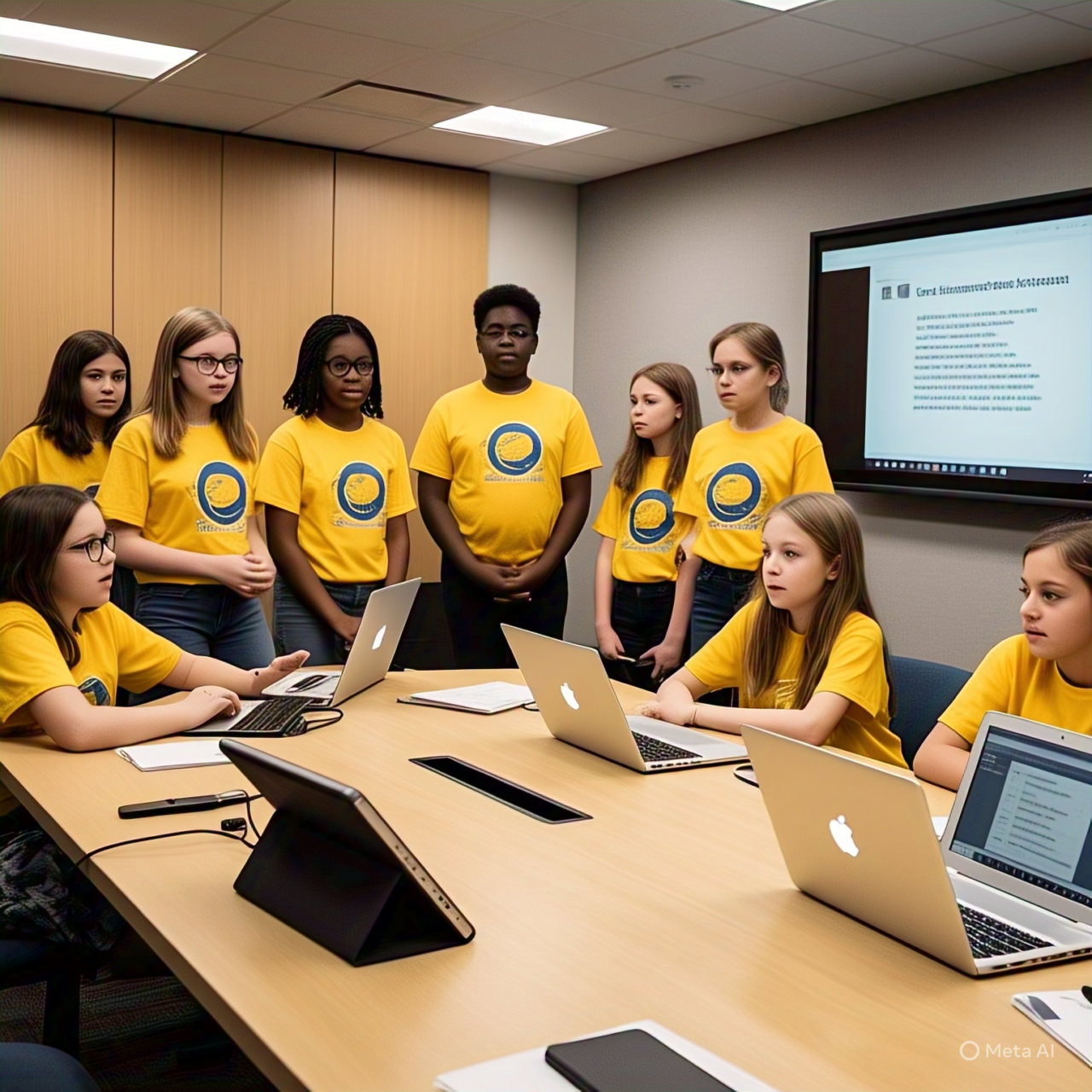
A groundbreaking university initiative launched today is giving children a direct voice in defining their digital rights and shaping the future of online communities. The project aims to build safer, more inclusive digital spaces by incorporating the perspectives and needs of young users into policy design.
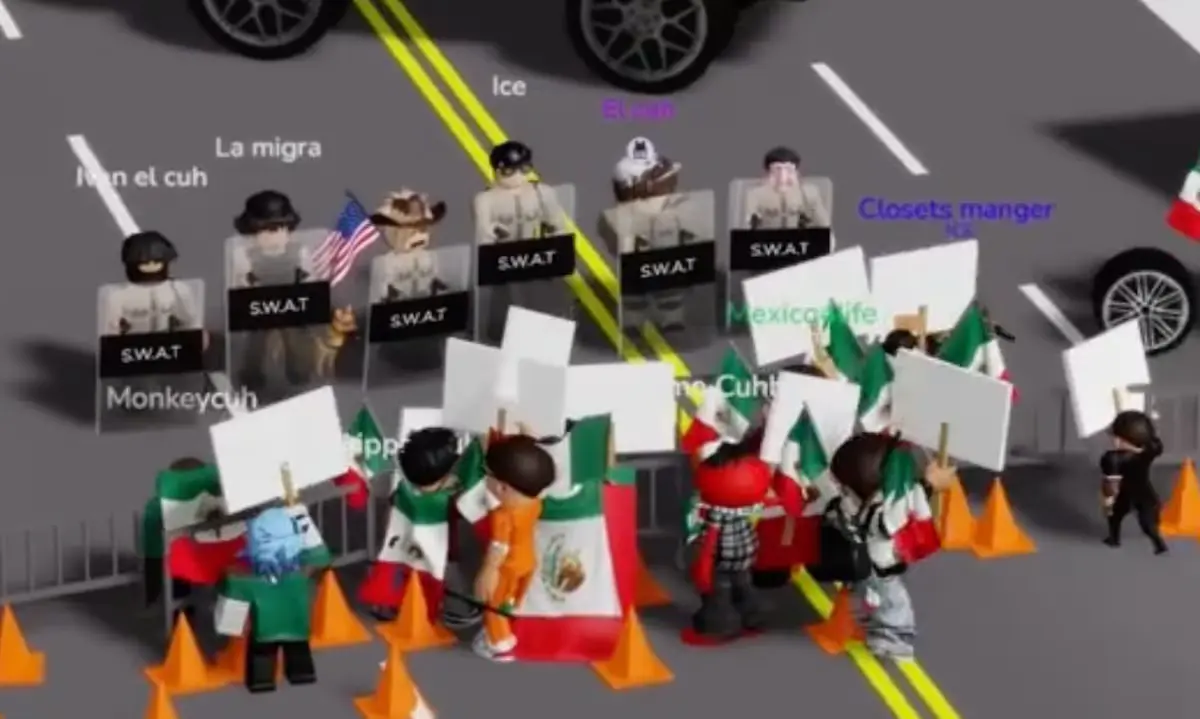
Latino children and teens—many under 13—are staging emotional and organized virtual protests against U.S. Immigration and Customs Enforcement (ICE) within the Brookhaven world of Roblox. These online demonstrations, coordinated through TikTok and Discord, mirror real-life activism with protest signs and chants like “WE ARE NOT ILLEGAL” and “KEEP FAMILIES TOGETHER.” Experts say these digital spaces are becoming powerful outlets for trauma and civic expression among vulnerable youth.
In the wake of 10-year-old Autumn Bushman’s tragic death, Roanoke County is hosting a public event to educate families on the impact of social media and smartphones on youth mental health
This article explores how the manosphere—a network of online male-dominated communities—attracts teenage boys through content on masculinity, success, and identity. It also highlights growing concerns among parents and educators about the influence of these communities and the steps being taken to protect and guide youth.
In Roblox’s Brookhaven, teen players—led by 17-year-old Simon Gutierrez—are organizing virtual protests against immigration enforcement roleplay. Coordinated through TikTok and Discord, these in-game demonstrations showcase how youth are using online gaming communities as platforms for civic activism and social justice.
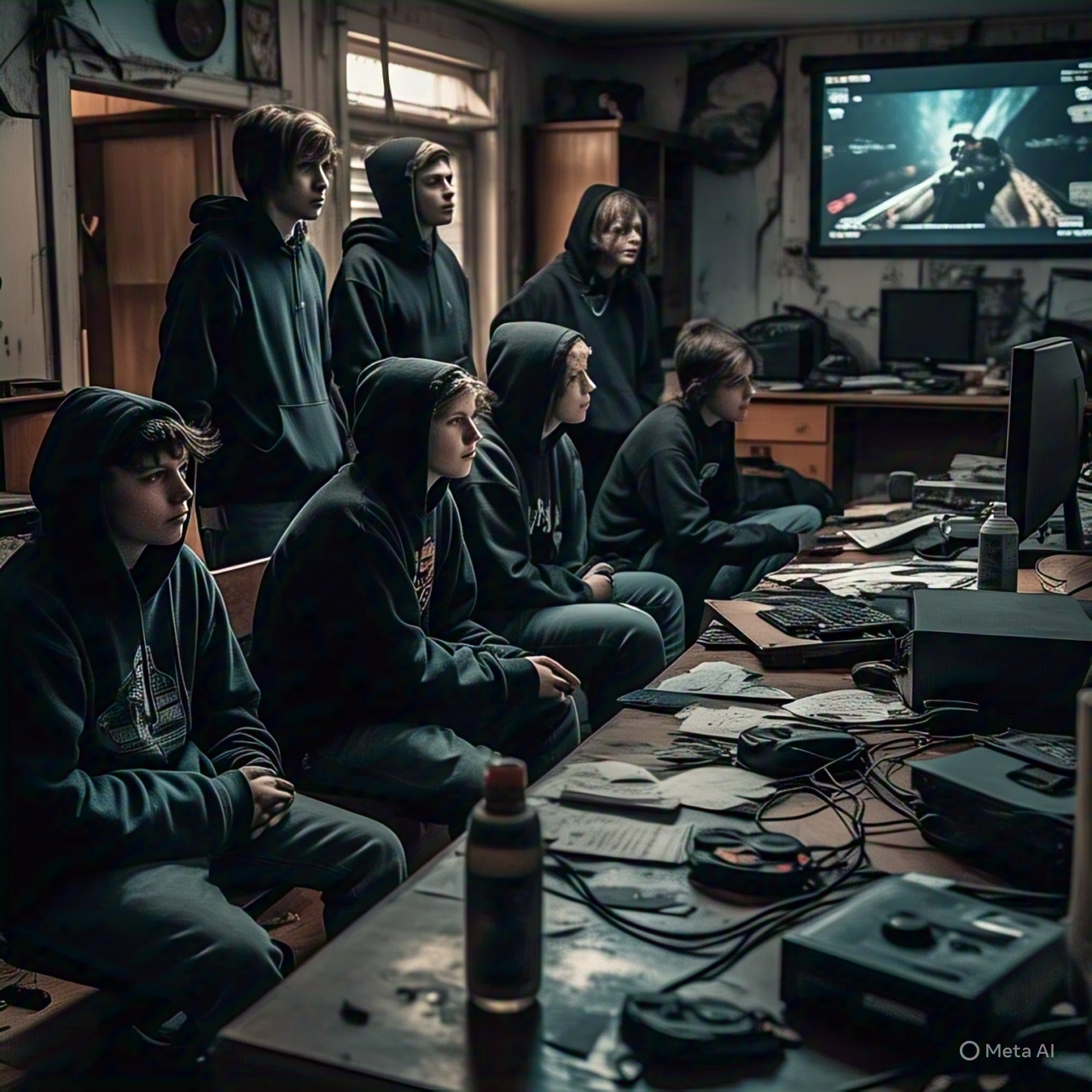
According to the UK’s National Crime Agency, a worrying surge has occurred in groups of teenage boys forming online gangs (“Com” networks). These gangs are: Sharing violent, misogynistic, and abusive content. Linked to cyber-attacks, fraud, blackmail—and even child sexual abuse. Growing sixfold over two years, prompting calls for stronger Online Safety Act enforcement and direct tech-industry cooperation These networks thrive in the anonymity and amplification of social media, illustrating how youth exploitation and online extremism intertwine.

What a 100% Tariff on Computer Chips Would Mean for Consumers, Industry and the Global Supply Chain
October 08, 2025
Bitcoin ETFs See $501 Million Inflow 14th Day in a Row, Ethereum ETFs Gain $77.45 Million
June 28, 2025
'In business, indecision is killer' - Canadian firms seek certainty in tariff war
June 28, 2025
Affordances in the brain: The human superpower AI hasn’t mastered
June 23, 2025